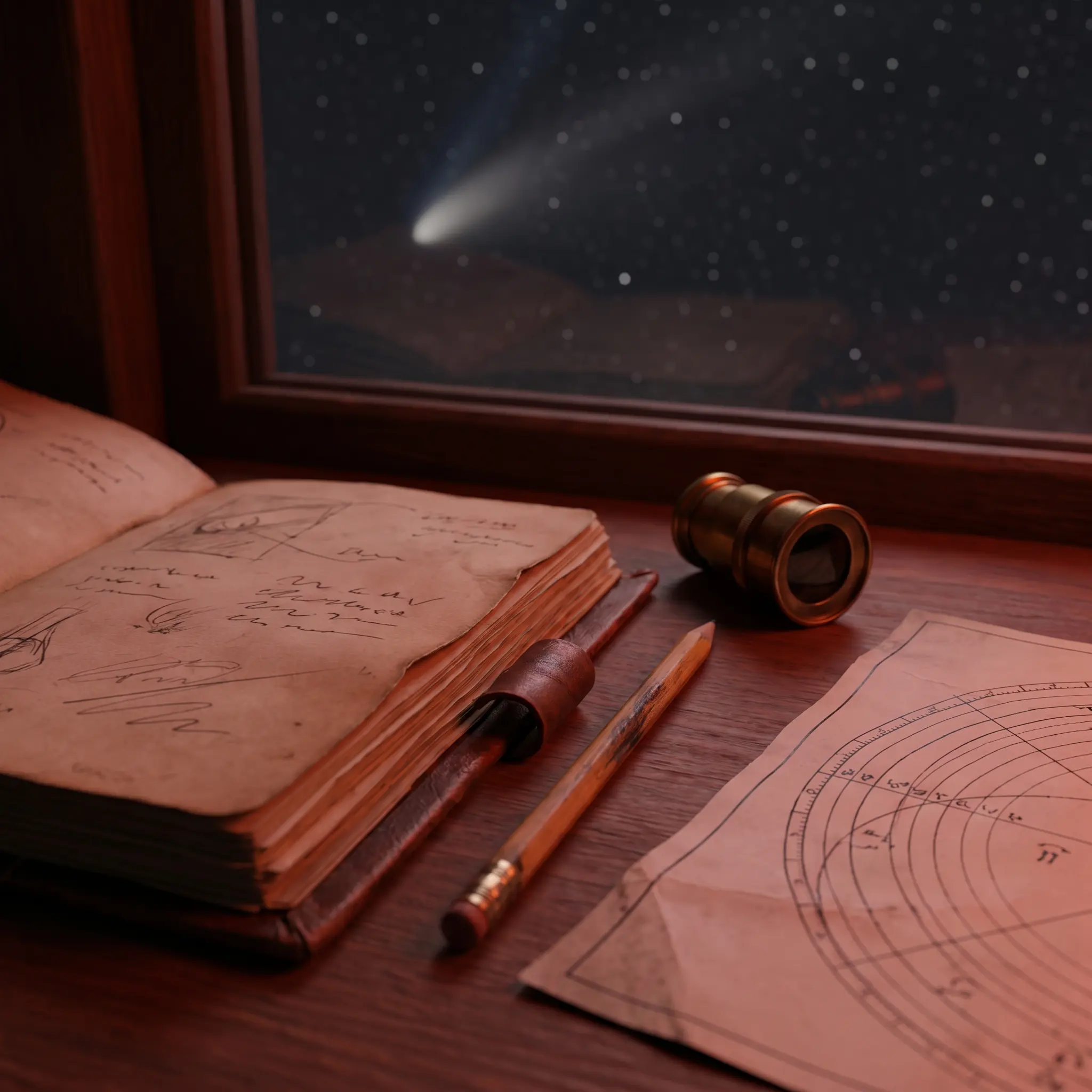
Time window
Mark the object height at civil dusk, nautical dusk, and the hour before moonrise. A ten-degree change can turn a failed session into a clean sighting.
Comet observing without the noise
Comet Casa is for observers who keep a coat by the door, check transparency before hype, and prefer a measured sketch to a blurry headline. We translate comet watching into plain field decisions: when to go outside, where to stand, which instrument to carry, and what to record when the object is only a soft grain of light.
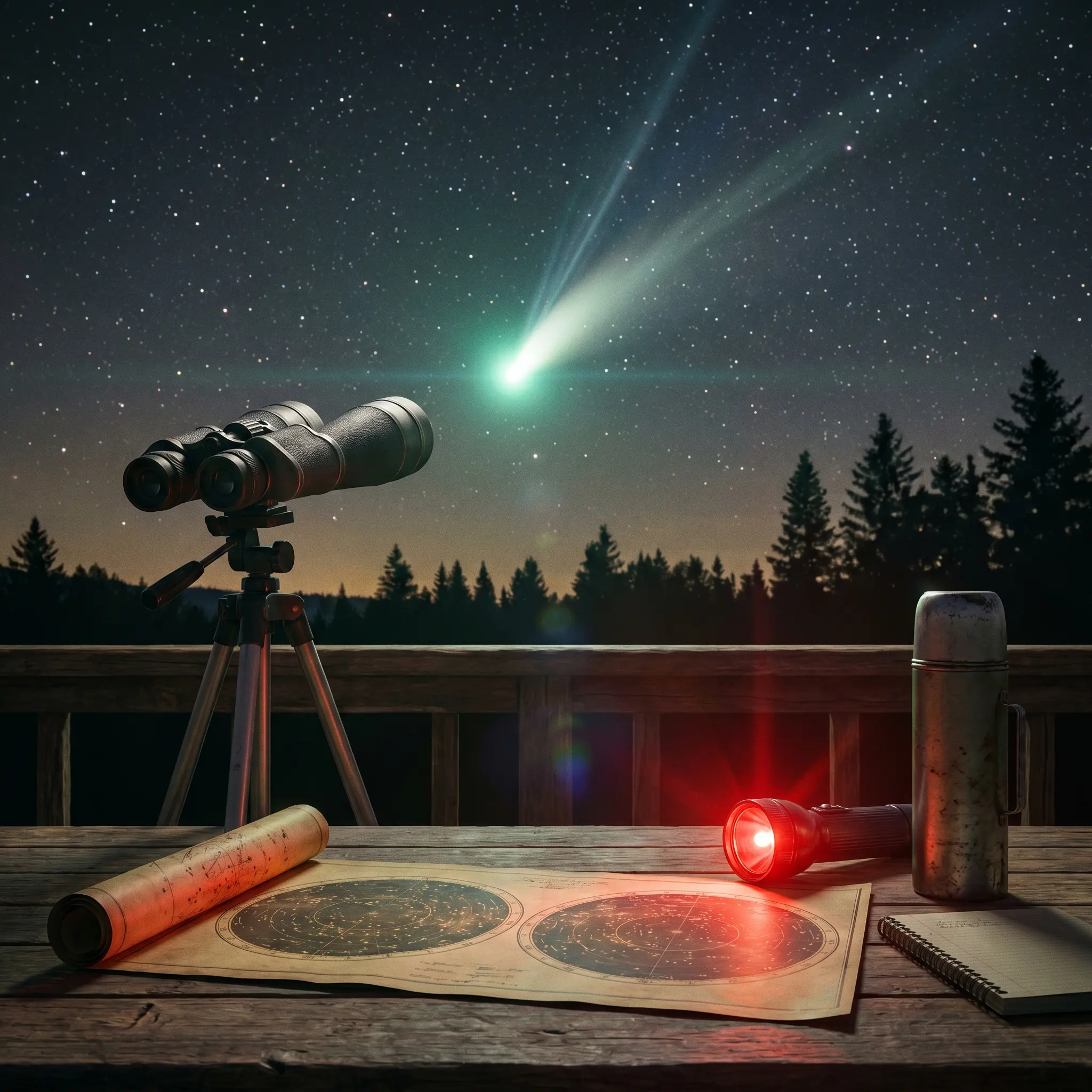
Mark the object height at civil dusk, nautical dusk, and the hour before moonrise. A ten-degree change can turn a failed session into a clean sighting.
Cloud cover is only the headline. Smoke, humidity, and thin cirrus erase diffuse comas long before they ruin bright stars.
A comet low in twilight needs a real horizon audit: trees, rooftops, slope, streetlights, and the exact direction of the tail.
Write the instrument, sky quality, nearby comparison stars, tail length estimate, and confidence level before checking images later.
What we care about
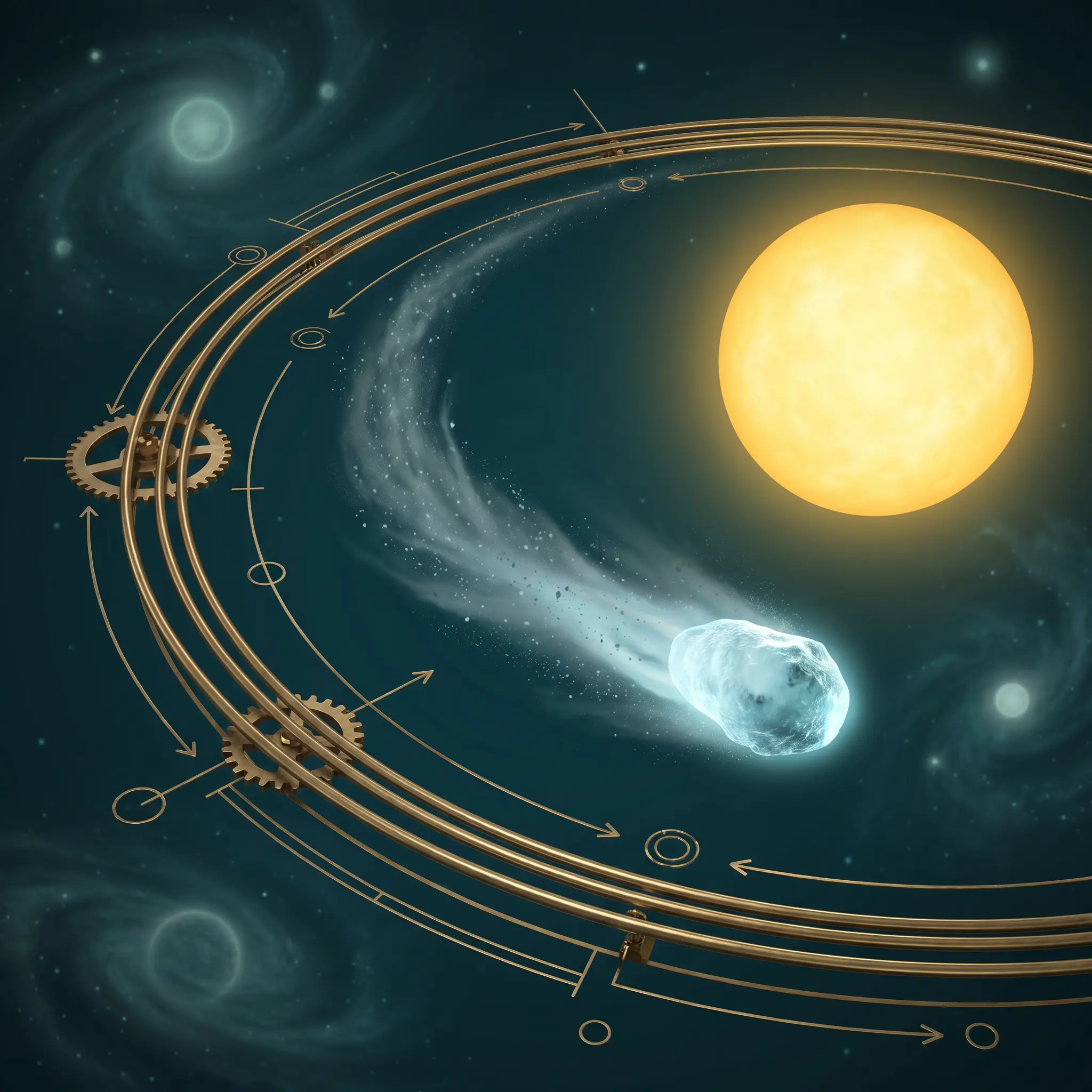
A useful comet guide should respect both disappointment and wonder. Some visitors brighten late, some fragment, some stay stubbornly telescopic, and some appear best as a faint smudge that only becomes meaningful when you understand its orbit. We frame each observation around geometry, brightness behavior, and the practical limits of human eyes under imperfect skies.
The site avoids miracle language. Instead, it gives you a field vocabulary for coma, condensation, anti-tail, elongation, altitude, phase angle, and the small rituals that make a real observation repeatable. If the comet is underwhelming, your notes still become part of a longer sky habit.
Use this table before and after a session. It keeps the report grounded in direct evidence and helps separate the comet itself from camera expectations, social chatter, and memory drift.